
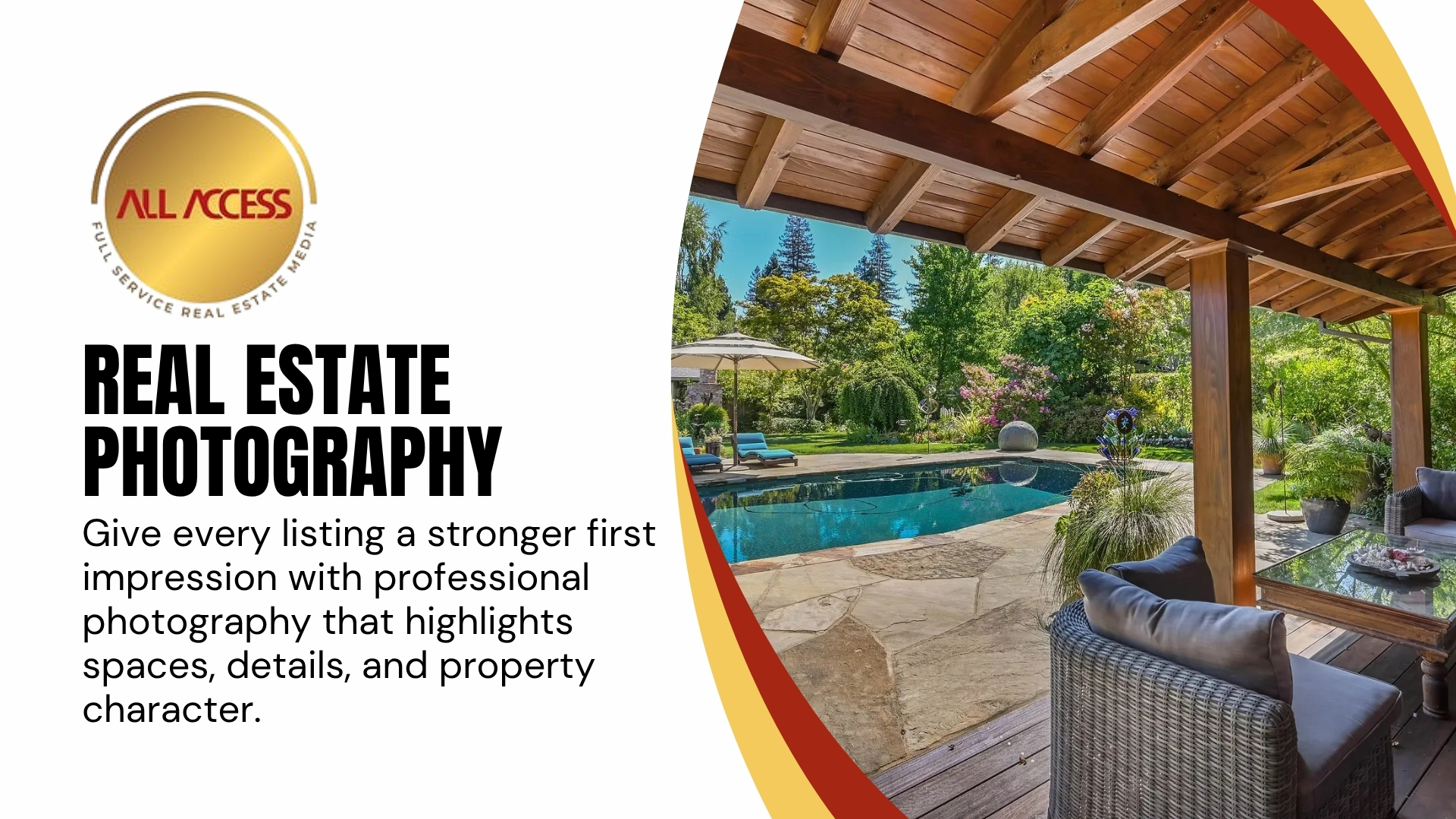
Choosing the wrong real estate photography Services in Pleasant Hill can cost an agent more than a bad photo set – it can cost a listing its first impression. Buyers browsing online decide within seconds whether a property is worth a second look, and that decision is made almost entirely from the photo gallery.
This guide walks through what actually separates a strong real estate photographer from an average one, which questions to ask before booking, how to prepare a property for the shoot, and what services genuinely support a faster, stronger sale. If you’re an agent, broker, or home seller in Pleasant Hill weighing your options before a listing goes live, this article gives you a practical framework for making that decision.
Why Professional Real Estate Photos Matter in Pleasant Hill
Pleasant Hill’s housing stock ranges from mid-century ranch homes near Gregory Gardens to newer construction close to Downtown Pleasant Hill and the Iron Horse Trail. That variety means no two listings photograph the same way. A split-level home with a daylight basement needs different lighting decisions than a single-story ranch with an open kitchen, and a townhome near the BART station has different space constraints than a larger lot off Taylor Boulevard.
Professional photography matters here for a simple reason: most buyers filter listings online before they ever request a showing. Weak, poorly lit, or inconsistent photos make even a well-maintained home look uncertain, while clear, well-composed images let buyers evaluate layout, condition, and scale accurately. Photos are also reused well beyond the initial MLS listing – on the brokerage website, in social media posts, in printed flyers, and in digital ads – so the quality of that first shoot affects every piece of marketing built on top of it afterward.
What to Look for in a Local Real Estate Photographer
Not every photographer who shoots real estate understands the specific demands of a listing shoot. Portrait or event photography skills don’t automatically translate to interiors, and a generalist photographer may not know how MLS platforms compress and display images. When evaluating a real estate photographer in Pleasant Hill, a few factors matter more than others.
Experience With Residential and Listing Photography Specifically
Real estate photography requires a different skill set than most other photography genres. It involves working with mixed and often difficult lighting (a bright window next to a dim hallway, for example), correcting for lens distortion so rooms don’t look warped, and composing shots that represent a space’s actual proportions rather than exaggerating them. A photographer with years of dedicated real estate experience will typically move through a home more efficiently and produce a more consistent gallery than someone shooting listings occasionally.

Familiarity With the Local Housing Stock
A photographer who regularly shoots homes throughout Pleasant Hill and the surrounding East Bay – including Walnut Creek, Martinez, Concord, and Danville – will already be familiar with common floor plans, typical lot sizes, and how local light and weather patterns affect a shoot at different times of day. That familiarity can shorten the time needed to plan a session and reduce the chances of a callback shoot.
A Clear, Modern Equipment and Editing Process
Ask what equipment the photographer uses and how images are edited. Most professional real estate photographers today shoot with wide-angle lenses suited to interior spaces and use HDR (high dynamic range) techniques or bracketed exposures to balance bright windows against darker interiors – a common challenge in homes with large sliding doors or picture windows. Ask whether editing is done in-house and what the typical turnaround time looks like between the shoot and delivery of final images.
Responsiveness and Communication
Listings often move on tight timelines. A photographer who answers calls and texts promptly, confirms appointment details clearly, and communicates proactively about scheduling changes reduces the risk of a shoot delaying a listing launch. This is especially relevant for agents managing several properties at once.
A Portfolio That Reflects Real, Similar Work
Ask to see a portfolio or recent gallery examples, ideally from homes similar in size or style to the one being listed. A photographer’s portfolio should show consistency across different lighting conditions and property types, not just a handful of best-case shots.
Real Estate Photography Services to Consider
“Real estate photography” today often means more than a single set of still images. Depending on the property and the marketing plan, a few additional services are worth understanding before booking.
Real estate videography. Video gives buyers a sense of flow between rooms that still photos can’t fully capture – how a kitchen connects to a dining area, or how a hallway leads to the primary suite. It’s particularly useful for listings competing in a crowded price range, where video content can extend a buyer’s time engaging with a listing before requesting a tour.
Zillow 3D Showcase. A 3D walkthrough lets buyers move through a home at their own pace, revisiting rooms and comparing layouts against other properties they’re considering. This is especially useful for out-of-area buyers or anyone doing early-stage research before committing to an in-person showing.
Virtual staging. For vacant or awkwardly furnished rooms, virtual staging digitally adds furniture and décor to selected photographs so buyers can better picture how a space might function – without physically staging the home. This is a practical option for vacant listings where traditional staging isn’t in the budget or timeline.
Social media content. Listing photos and video can be repurposed into carousel posts, short-form video, and individual property highlights for social platforms, extending a listing’s visibility beyond the MLS and brokerage site.
Not every listing needs every service. A well-maintained, fully furnished home in a desirable Pleasant Hill neighborhood may only need strong still photography, while a vacant or higher-priced listing may benefit from video, 3D walkthroughs, or virtual staging layered on top.
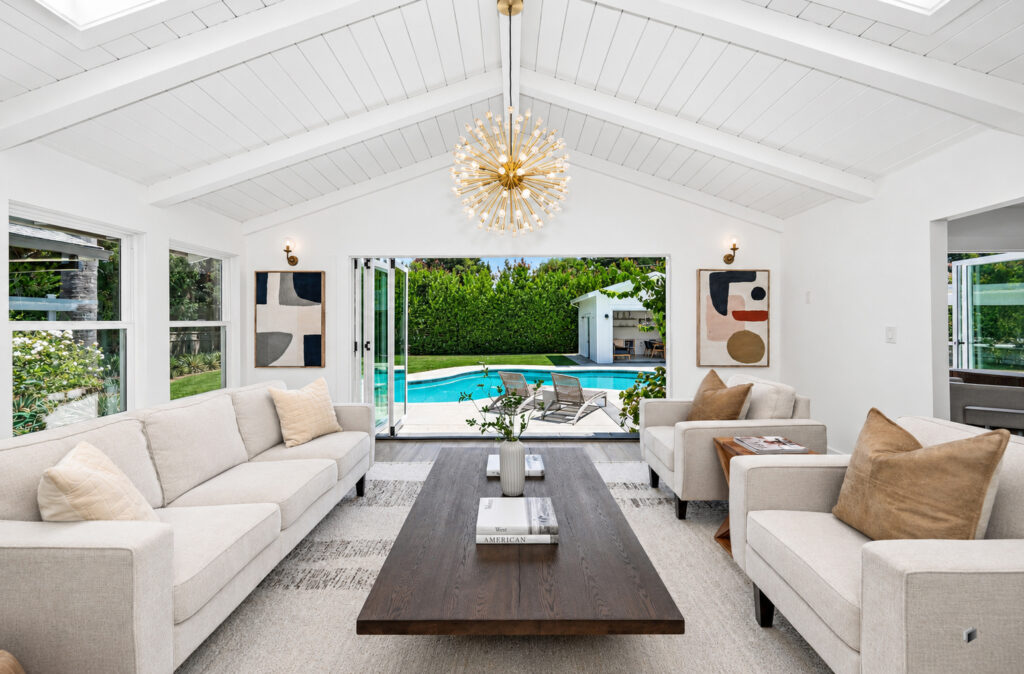
What Makes High-Quality Real Estate Photos?
Not all listing photos accomplish the same thing. A few characteristics separate photography that actually helps a listing perform from photography that simply documents the space.
Accurate representation of scale and layout. Wide-angle lenses are useful for interiors, but overly distorted wide shots can misrepresent a room’s actual size, which sets buyers up for disappointment during a showing. Good real estate photography stays true to how a space actually feels in person.
Balanced lighting. Rooms with large windows are common in Pleasant Hill homes, and getting a balanced exposure between bright exterior light and interior detail – without blown-out windows or dark, muddy interiors – takes deliberate technique, not just a well-lit room.
Thoughtful composition. Straight vertical and horizontal lines, clean sightlines through doorways, and compositions that highlight a room’s best features (a fireplace, an island, a view) all contribute to photos that feel intentional rather than snapshot-style.
Consistency across the full gallery. A strong listing gallery looks cohesive from the first image to the last – consistent color tone, consistent exposure style, and a logical flow from exterior to entry to interior spaces to any additional features like a yard, patio, or garage.
Coverage of the features buyers actually care about. Kitchens, primary bedrooms and bathrooms, living areas, and any standout architectural details or outdoor spaces typically need the most attention, since these are the areas buyers spend the most time evaluating.
Questions to Ask Before Hiring a Real Estate Photographer
Before booking a shoot, a short conversation can clarify whether a photographer is the right fit for a specific listing.
- How many years of experience do you have specifically with real estate and listing photography?
- What does a typical shoot for a home this size include, and how long does it take?
- What is the turnaround time between the shoot and receiving final, edited images?
- Are the photos formatted and sized correctly for MLS upload?
- Do you offer additional services like video, 3D tours, or virtual staging if the listing needs them later?
- What happens if weather or scheduling requires a reshoot?
- How do I book, and how far in advance should I schedule around a listing launch date?
Asking these questions upfront helps avoid mismatched expectations once the listing timeline is already in motion.
How to Prepare a Property for Real Estate Photography
Preparation has a direct impact on the final photo quality, regardless of how skilled the photographer is. A few steps make a meaningful difference:
- Declutter every room. Countertops, tables, and floors should be as clear as possible. Personal items, excess furniture, and visual clutter distract from the space itself.
- Turn on all the lights. Even in daylight, turning on interior lights helps balance a room’s exposure and adds warmth to darker corners like hallways and closets.
- Open blinds and curtains. Natural light is a major asset in real estate photography, and open windows also allow for shots that include yard or neighborhood views where relevant.
- Put away pets and pet items. Food bowls, litter boxes, and pet beds should be removed from any room being photographed, and pets themselves are usually better off out of the home during the shoot.
- Tidy the exterior. Trash bins, hoses, parked cars in the driveway, and yard clutter should be addressed before the photographer arrives, since exterior and curb-appeal shots are often among the first images buyers see.
Confirm which rooms and features need extra attention. If a home has a standout feature – a renovated kitchen, a large backyard, a view – flagging it ahead of time helps the photographer plan the shoot list accordingly.
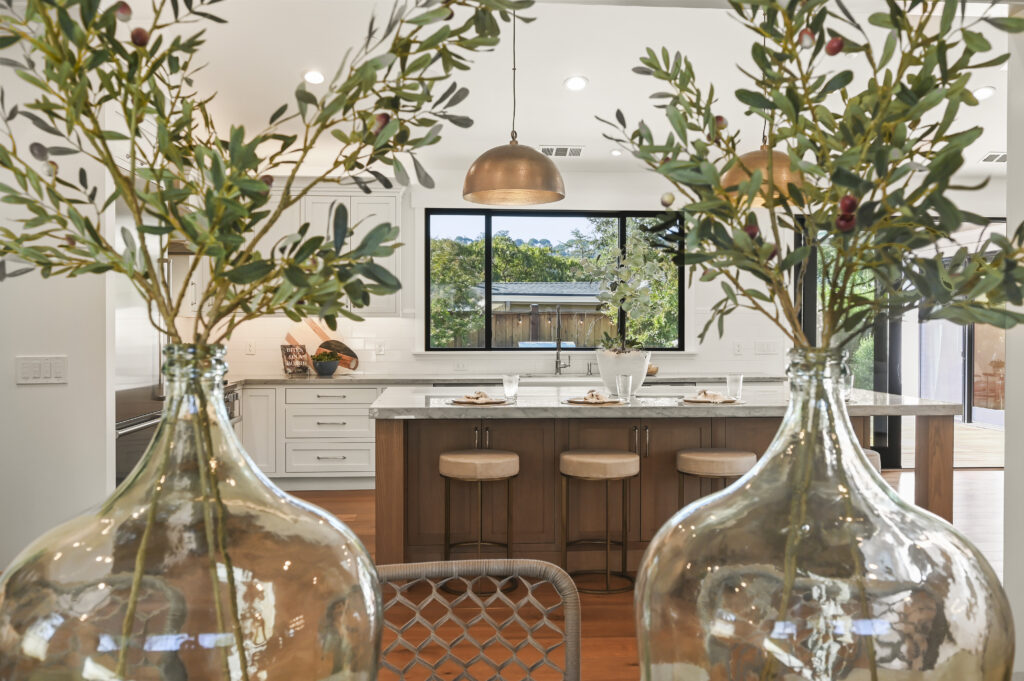
Why Hiring a Local Pleasant Hill Real Estate Photographer Can Help
A photographer based in or regularly working throughout Pleasant Hill and the surrounding East Bay brings a few practical advantages over someone unfamiliar with the area. They’re generally more available for the tighter turnaround windows that listings often require, and they already understand local scheduling realities – traffic patterns around Contra Costa Boulevard and Highway 680 during commute hours, for example, or how afternoon light behaves differently depending on a home’s orientation relative to Pleasant Hill’s hillier terrain versus its flatter neighborhoods.
Local photographers also tend to build ongoing working relationships with agents, which can translate into smoother communication, more predictable scheduling, and a better understanding of a brokerage’s preferred style over repeated shoots.
When to Schedule Real Estate Photography
Photography should generally be scheduled once a home is fully prepared – decluttered, cleaned, and with any last-minute repairs or staging complete – and close enough to the intended MLS launch date that the photos feel current. Booking a few days to a week ahead of the planned listing date is a reasonable target for most sellers and agents, though tighter timelines are often workable with a responsive photographer.
For vacant homes being virtually staged, it’s worth confirming the shoot date against the staging turnaround time, since virtual staging is completed after the photography session. Twilight photography, if part of the plan, needs to be scheduled separately and is weather- and season-dependent, so it’s worth discussing timing early rather than adding it as a last-minute request.
Conclusion
Choosing a real estate photographer in Pleasant Hill comes down to a few concrete factors: real estate-specific experience, familiarity with the local housing stock, a clear and modern editing process, responsive communication, and a portfolio that reflects consistent, professional work. Matching the right combination of services – photography, video, 3D tours, virtual staging, or social content – to a specific listing’s needs matters just as much as the photography itself. A well-prepared property and a photographer who understands both the technical and local factors involved will consistently produce a stronger listing gallery than either element alone.
If you’re preparing to list a property in Pleasant Hill and want to talk through which photography and media services fit your listing, call All Access Photo LLC at (925) 785-3390.
FAQs
How much does real estate photography cost in Pleasant Hill?
Pricing generally depends on the size of the property and which services are included, since bundled packages can range from a basic photo set to combinations that include video, social media content, and printed flyers. It’s best to confirm current pricing and package options directly with a photographer before booking.
What is included in real estate photography services?
A typical session covers interior living spaces, kitchens, bedrooms, and bathrooms, along with exterior and architectural details, edited and delivered in a format ready for MLS upload, websites, brochures, and digital marketing.
How long does a real estate photography session take?
Session length depends on the home’s size and which additional services, such as aerial photos, video, or twilight images, are included, so it’s worth asking for an estimate based on the specific property.
Why hire a local real estate photographer in Pleasant Hill instead of someone from farther away?
A local photographer is typically more available for tight listing timelines, more familiar with the area’s housing styles and lighting conditions, and easier to coordinate with for last-minute scheduling changes.
Do professional real estate photos actually help a home sell faster?
Strong, well-composed photography gives buyers clearer information to evaluate a listing online, which can lead to more interest and more scheduled showings compared to listings with weak or inconsistent images – though final results depend on many factors beyond photography alone.
What should I prepare before a real estate photography shoot?
Decluttering each room, turning on interior lights, opening blinds, tidying the exterior, and putting away pets and pet items are the most effective steps a homeowner or agent can take before the photographer arrives.
Is virtual staging a good option for a vacant listing?
Virtual staging can be a practical alternative to physical staging for vacant homes, giving buyers a sense of how a room could be furnished without the cost or logistics of moving furniture into the property.